

Stories by @chrismoverfan01
24 stories

The New Edition Story: The Musical
The story of 80s Boy Band New Edition as told live on stage based on the BET Miniseries from 2017.

Let it Be (2016)
Let It Be is based on the career of English rock band, The Beatles, from their humble beginnings to their break up and leads up to reunion in 1990s.

Hot Potato: The Wiggles Story
The Story that Follows the Rise of Children's Australian Group The Wiggles.
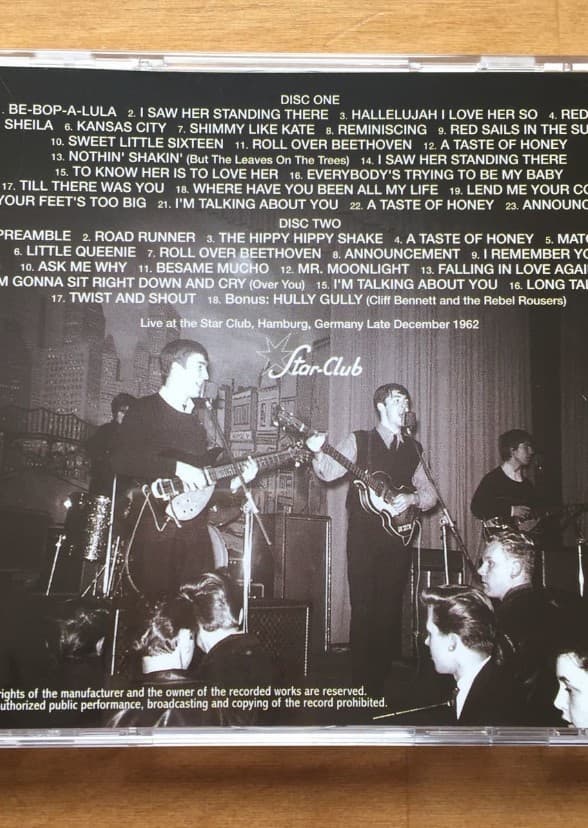
The Beatles: Live! at the Star-Club in Hamburg, Germany; 1962
The Biopic the Chronicles the live performances by the English rock group the Beatles, recorded in late December 1962 at the Star-Club during their final Hamburg residency. Although the poor sound quality limits its commercial appeal, the album provides historic insight into the group's club act in the period after Ringo Starr joined but before the emergence of Beatlemania. The Beatles were unsuccessful in legally blocking the initial release of the album; the recordings were reissued in many forms until 1998, when the group were awarded full rights to the performances. The Beatles' five residencies in Hamburg during 1960 to 1962 allowed the Liverpool band to develop their performance skills and widen their reputation. Drummer Pete Best was added to the band in August 1960 to secure their first Hamburg booking, where they played for 48 nights at the Indra Club and then 58 nights at the Kaiserkeller. The Beatles returned to Hamburg in April 1961 to play at the Top Ten Club for three months. A new Hamburg music venue, the Star-Club, opened on 13 April 1962, with The Beatles booked for the first seven weeks. The Beatles returned to Hamburg in November and December 1962 for their fourth and fifth engagements there, which had been booked for the Star-Club many months in advance. Unlike their previous three trips to Hamburg, their drummer was Starr, having replaced Best in August. The Beatles were reluctant to return for their final two-week booking, which started 18 December, as they were gaining popularity in Britain and had just achieved their first charted single with "Love Me Do".

The Johnny Gill Story
The Story of R&B Singer Johnny Gill
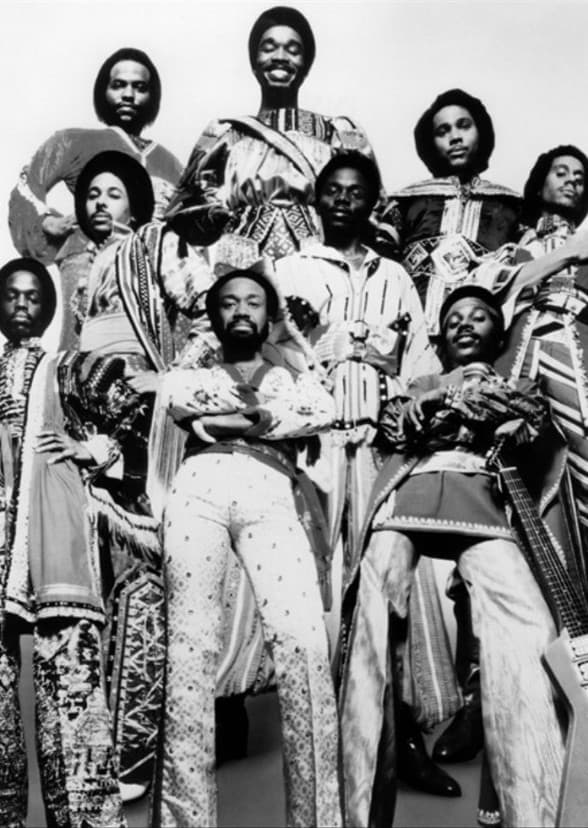
September: The Earth, Wind & Fire Story
Earth, Wind & Fire (abbreviated in initials as EWF or EW&F) is an American band that has spanned the musical genres of R&B, soul, funk, jazz, disco, pop, rock, dance, Latin, and Afro pop.They have been described as one of the most innovative and commercially successful acts of all time. Rolling Stone called them "innovative, precise yet sensual, calculated yet galvanizing" and declared that the band "changed the sound of black pop". VH1 has also described EWF as "one of the greatest bands" of all time. The band was founded in Chicago by Maurice White in 1970, having grown out of a previous band known as the Salty Peppers.[6][7] Other prominent members of EWF have included Verdine White, Philip Bailey, Ralph Johnson, Larry Dunn, Al McKay, Roland Bautista, Sheldon Reynolds and Andrew Woolfolk. The band has won six Grammys from their 17 nominations. In addition, Earth, Wind & Fire has won 4 American Music Awards out of 12 nominations. They have also been inducted into the Rock and Roll Hall of Fame and the Vocal Group Hall of Fame, received a star on the Hollywood Walk of Fame, and sold over 90 million records, making them one of the world's best-selling bands of all time. EWF has been inducted into the NAACP Image Award Hall of Fame and Hollywood's Rockwalk. The band have also been bestowed with a ASCAP Rhythm & Soul Heritage Award, BET Lifetime Achievement Award and Soul Train Legend Award altogether. Earth, Wind & Fire is known for its horn section, kalimba sound, energetic and elaborate stage shows, and the contrast between Philip Bailey's falsetto vocals and Maurice White's baritone.[12] Of the band's songs two have been inducted into the Grammy Hall of Fame being "That's the Way of the World" in 2004 and "Shining Star" in 2007. Earth, Wind & Fire also went on to be bestowed with a Grammy Lifetime Achievement Award. Earth, Wind & Fire is the first African-American act to sell out Madison Square Garden and to receive the MSG Gold Ticket Award. As well, the band went on to be bestowed with the 2012 Congressional Horizon Award.

The Bon Jovi Story
Bon Jovi is an American rock band formed in 1983 in Sayreville, New Jersey. It consists of singer Jon Bon Jovi, keyboardist David Bryan, drummer Tico Torres, guitarist Phil X, and bassist Hugh McDonald.[1] Previous bassist Alec John Such was dismissed in 1994, and longtime guitarist and co-songwriter Richie Sambora left in 2013. In 1984 and 1985, Bon Jovi released their first two albums and their debut single "Runaway" managed to crack the Top 40. In 1986, the band achieved widespread success and global recognition with their third album, Slippery When Wet, which sold over 20 million copies and included three Top 10 singles, two of which reached No. 1 ("You Give Love a Bad Name" and "Livin' on a Prayer")[2] Their fourth album, New Jersey (1988), was also very successful, selling over 10 million copies and featuring five Top 10 singles (a record for a hard rock album), two of which reached No. 1 ("Bad Medicine" and "I'll Be There for You"). After the band toured and recorded extensively during the late 1980s, culminating in the 1988–90 New Jersey Tour, Jon Bon Jovi and Richie Sambora released successful solo albums in 1990 and 1991, respectively. In 1992, the band returned with the double-platinum Keep the Faith. This was followed by their biggest-selling and longest-charting single "Always" (1994) and the album These Days (1995), which proved to be a bigger hit in Europe than in the United States, producing four Top Ten singles in the United Kingdom. Following a second hiatus, their 2000 album Crush, particularly the lead single, "It's My Life", successfully introduced the band to a younger audience. The band followed up with Bounce in 2002. The platinum albums Have a Nice Day (2005) and Lost Highway (2007) saw the band incorporate elements of country music into some of the songs, including the 2006 single "Who Says You Can't Go Home", which won the band a Grammy Award and became the first single by a rock band to reach No. 1 on the country charts. The Circle (2009) marked a return to the band’s rock sound. The band also enjoyed great success touring, with both the 2005–06 Have a Nice Day Tour and 2007–08 Lost Highway Tour ranking among the Top 20 highest-grossing concert tours of the 2000s and the 2013 Because We Can Tour ranking among the highest-grossing of the 2010s. The band continues to tour and record, with their most recent album This House Is Not for Sale and its associated tour encompassing 2016–18. Bon Jovi has released 13 studio albums, six compilations and three live albums. They have sold more than 100 million records worldwide, making them one of the bestselling American rock bands,[3][4] and performed more than 2,700 concerts in over 50 countries for more than 34 million fans.[5][6] Bon Jovi was inducted into the UK Music Hall of Fame in 2006, and into the US Rock and Roll Hall Of Fame in 2018.[7] The band received the Award of Merit at the American Music Awards in 2004,[8] and Jon Bon Jovi and Richie Sambora were inducted into Songwriters Hall of Fame in 2009.[9][10]
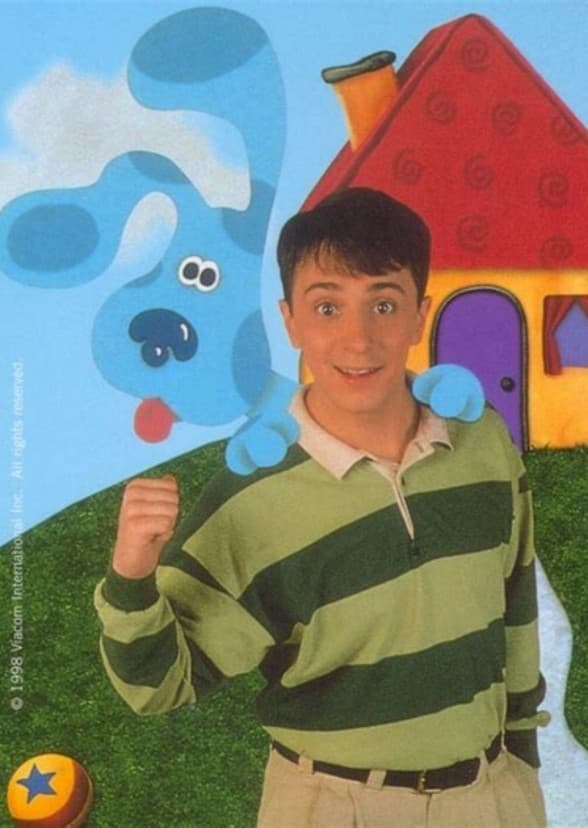
Blue's Clues Reboot
Blue is a puppy who puts her paw prints on three clues. Steve has to deduce the clues (with the help of off-screen children) to figure out what Blue wants to do.

Prince
A dramatization of the life of the acclaimed American musician Prince, who died from an accidental overdose at the age of just 57 in 2016.
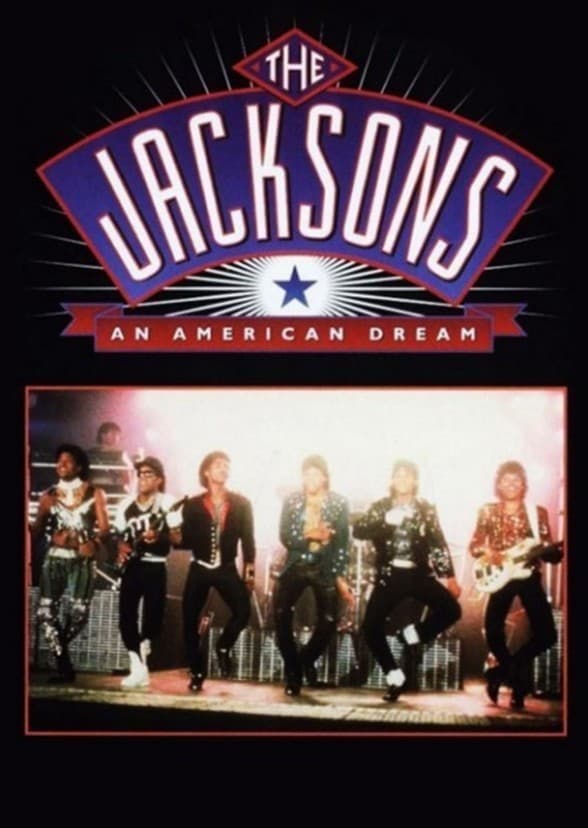
The Jacksons: An American Dream (2012)
The Jacksons: An American Dream is a four-hour American miniseries broadcast in two halves on ABC and originally broadcast on November 15 through November 16, 2012. It is based upon the history of the Jackson family, one of the most successful musical families in show business, and the early and successful years of the popular Motown group The Jackson 5.

The Beatles
The Beatles were an English rock band formed in Liverpool in 1960. With members John Lennon, Paul McCartney, George Harrison and Ringo Starr, they became widely regarded as the foremost and most influential music band in history.1957–1962: Formation, Hamburg, and UK popularity In March 1957, John Lennon, then aged sixteen, formed a skiffle group with several friends from Quarry Bank High School. They briefly called themselves the Blackjacks, before changing their name to the Quarrymen after discovering that a respected local group was already using the other name.[3] Fifteen-year-old Paul McCartney joined as a rhythm guitarist shortly after he and Lennon met that July. In February 1958, McCartney invited his friend George Harrison to watch the band. The fifteen-year-old auditioned for Lennon, impressing him with his playing, but Lennon initially thought Harrison was too young to join them. After a month of Harrison's persistence, during a second meeting, arranged by McCartney, he performed the lead guitar part for the instrumental "Raunchy" on the upper deck of a Liverpool bus, and they enlisted him as their lead guitarist. By January 1959, Lennon's Quarry Bank friends had left the group, and he began studies at the Liverpool College of Art. The three guitarists, billing themselves at least three times as Johnny and the Moondogs,were playing rock and roll whenever they could find a drummer. Lennon's art school friend Stuart Sutcliffe, who had recently sold one of his paintings and was persuaded to purchase a bass guitar, joined in January 1960, and it was he who suggested changing the band's name to Beatals, as a tribute to Buddy Holly and the Crickets. They used the name until May, when they became the Silver Beetles, before undertaking a brief tour of Scotland as the backing group for pop singer and fellow Liverpudlian Johnny Gentle. By early July, they had changed their name to the Silver Beatles and by the middle of August to the Beatles. Allan Williams, the Beatles' unofficial manager, arranged a residency for them in Hamburg, but lacking a full-time drummer they auditioned and hired Pete Best in mid-August 1960. The band, now a five-piece, left four days later, contracted to club owner Bruno Koschmider for what would be a 3½-month residency. After closing the Indra due to noise complaints, he moved them to the Kaiserkeller in October. When he learned they had been performing at the rival Top Ten Club in breach of their contract, he gave the band one month's termination notice, and reported the underage Harrison, who had obtained permission to stay in Hamburg by lying to the German authorities about his age.[18] The authorities arranged for Harrison's deportation in late November. One week later, Koschmider had McCartney and Best arrested for arson after they set fire to a condom in a concrete corridor; the authorities deported them. Lennon returned to Liverpool in early December, while Sutcliffe remained in Hamburg until late February with his German fiancée Astrid Kirchherr, who took the first semi-professional photos of the Beatles. During the next two years, the Beatles were resident for periods in Hamburg, where they used Preludin both recreationally and to maintain their energy through all-night performances. In 1961, during their second Hamburg engagement, Kirchherr cut Sutcliffe's hair in the "exi" (existentialist) style, later adopted by the other Beatles. When Sutcliffe decided to leave the band early that year and resume his art studies in Germany, McCartney took up the bass. Producer Bert Kaempfert contracted what was now a four-piece group until June 1962, and he used them as Tony Sheridan's backing band on a series of recordings for Polydor Records. As part of the sessions, the Beatles were signed to Polydor for one year. Credited to "Tony Sheridan & the Beat Brothers", the single "My Bonnie", recorded in June 1961 and released four months later, reached number 32 on the Musikmarkt chart. After the Beatles completed their second Hamburg residency, they enjoyed increasing popularity in Liverpool with the growing Merseybeat movement. However, they were also growing tired of the monotony of numerous appearances at the same clubs night after night.[ In November 1961, during one of the group's frequent performances at The Cavern Club, they encountered Brian Epstein, a local record-store owner and music columnist. He later recalled: "I immediately liked what I heard. They were fresh, and they were honest, and they had what I thought was a sort of presence ... a star quality."Epstein courted the band over the next couple of months, and they appointed him as their manager in January 1962. Throughout early and mid-1962, Epstein sought to free the Beatles from their contractual obligations to Bert Kaempfert Productions. He eventually negotiated a one-month-early release from their contract in exchange for one last recording session in Hamburg. Tragedy greeted them on their return to Germany in April, when a distraught Kirchherr met them at the airport with news of Sutcliffe's death the previous day from what would later be determined to have been a brain hemorrhage. Epstein began negotiations with record labels for a recording contract. In order to secure a UK record contract, Epstein negotiated an early end to the band's contract with Polydor, in exchange for more recordings backing Tony Sheridan. After a New Year's Day audition, Decca Records rejected the band with the comment "Guitar groups are on the way out, Mr. Epstein."However, three months later, producer George Martin signed the Beatles to EMI's Parlophone label.Martin's first recording session with the Beatles took place at EMI's Abbey Road Studios in London on 6 June 1962. Martin immediately complained to Epstein about Best's poor drumming and suggested they use a session drummer in his place. Already contemplating Best's dismissal, the Beatles replaced him in mid-August with Ringo Starr, who left Rory Storm and the Hurricanes to join them. A 4 September session at EMI yielded a recording of "Love Me Do" featuring Starr on drums, but a dissatisfied Martin hired drummer Andy White for the band's third session a week later, which produced recordings of "Love Me Do", "Please Please Me" and "P.S. I Love You". Martin initially selected the Starr version of "Love Me Do" for the band's first single, though subsequent re-pressings featured the White version, with Starr on tambourine. Released in early October, "Love Me Do" peaked at number seventeen on the Record Retailer chart. Their television debut came later that month with a live performance on the regional news programme People and Places. After Martin suggested rerecording "Please Please Me" at a faster tempo, a studio session in late November yielded that recording, of which Martin accurately predicted, "You've just made your first No.1. In December 1962, the Beatles concluded their fifth and final Hamburg residency. By 1963, they had agreed that all four band members would contribute vocals to their albums – including Starr, despite his restricted vocal range, to validate his standing in the group. Lennon and McCartney had established a songwriting partnership, and as the band's success grew, their dominant collaboration limited Harrison's opportunities as a lead vocalist. Epstein, in an effort to maximise the Beatles' commercial potential, encouraged them to adopt a professional approach to performing. On 11 February 1963, the Beatles recorded ten songs during a single studio session for their debut LP, Please Please Me. The album was supplemented by the four tracks already released on their first two singles. Martin originally considered recording the Beatles' debut LP live at The Cavern Club, but after deciding that the building's acoustics were inadequate, he elected to simulate a "live" album with minimal production in "a single marathon session at Abbey Road". After the moderate success of "Love Me Do", the single "Please Please Me" met with a more emphatic reception. Released in January 1963, two months ahead of the album of the same name, the song reached number one on every chart in London except Record Retailer, where it peaked at number two. Released in March 1963, the album initiated a run during which eleven of their twelve studio albums released in the United Kingdom through 1970 reached number one. The band's third single, "From Me to You", came out in April and was also a chart-topping hit, starting an almost unbroken string of seventeen British number-one singles for the Beatles, including all but one of the eighteen they released over the next six years. Issued in August, the band's fourth single, "She Loves You", achieved the fastest sales of any record in the UK up to that time, selling three-quarters of a million copies in under four weeks. It became their first single to sell a million copies, and remained the biggest-selling record in the UK until 1978. Their commercial success brought increased media exposure, to which the Beatles responded with an irreverent and comical attitude that defied the expectations of pop musicians at the time, inspiring even more interest. The band toured the UK three times in the first half of the year: a four-week tour that began in February, the Beatles' first nationwide, preceded three-week tours in March and May–June. As their popularity spread, a frenzied adulation of the group took hold. Greeted with riotous enthusiasm by screaming fans, the press dubbed the phenomenon "Beatlemania". Although not billed as tour leaders, the Beatles overshadowed American acts Tommy Roe and Chris Montez during the February engagements and assumed top billing "by audience demand", something no British act had previously accomplished while touring with artists from the US. A similar situation arose during their May–June tour with Roy Orbison.

KISS Biopic
The Story of The Most Famous Rock Band of All Time "KISS".
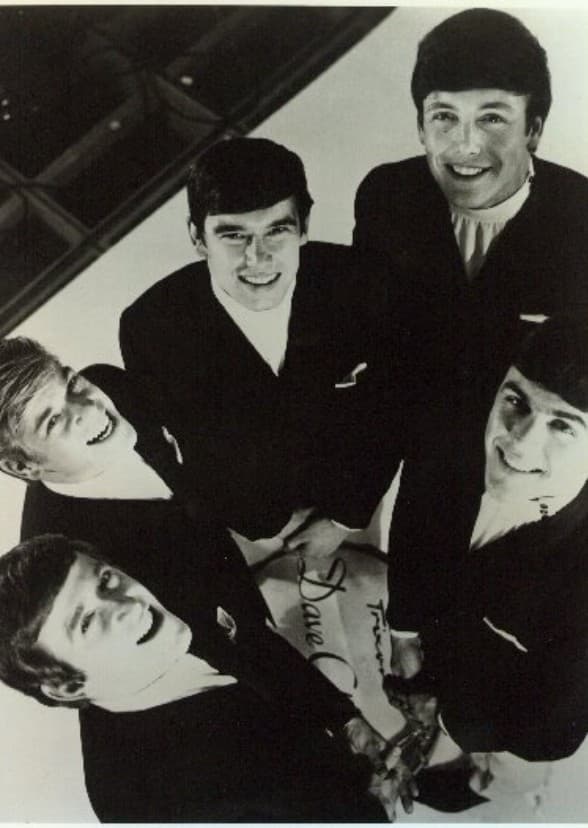
Untitled Dave Clark Five Biopic
A Biopic about the legendary 60s rock band "The Dave Clark Five". It Members were Dave Clark - Drums. Mike Smith - Keyboard, Lenny Davidson - Guitar, Rick Huxley - Bass, Denis Payton - Saxophone. And they made record hits such as "Glad All Over".
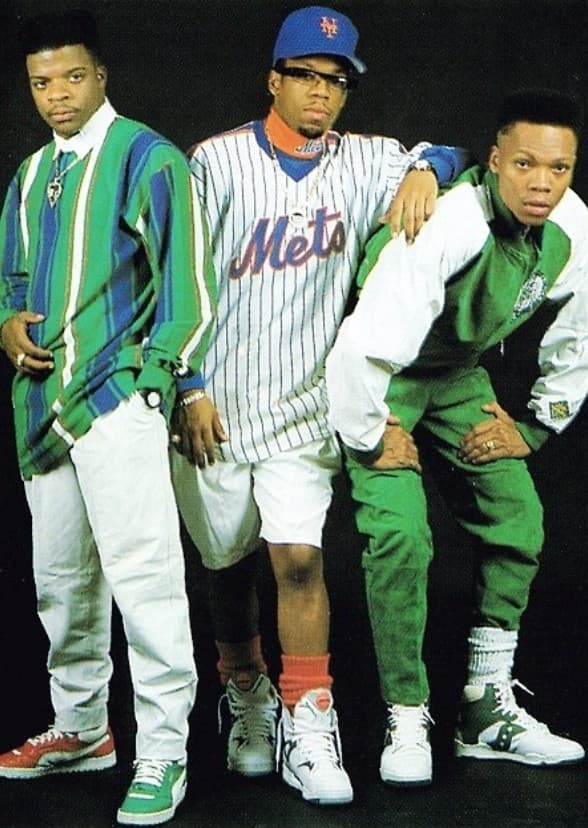
The Bell Biv DeVoe Story
Bell Biv DeVoe, also known as BBD, is an American music group that branched off from New Edition. It consists of three members of New Edition: Ricky Bell, Michael Bivins, and Ronnie DeVoe.
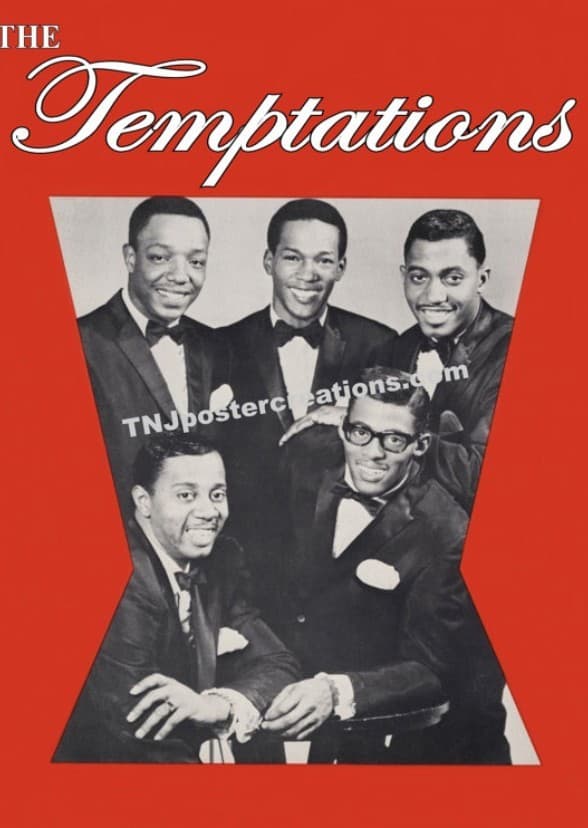
The Temptations Biopic
A Biopic Miniseries About the 60s R&B Group "The Temptations".
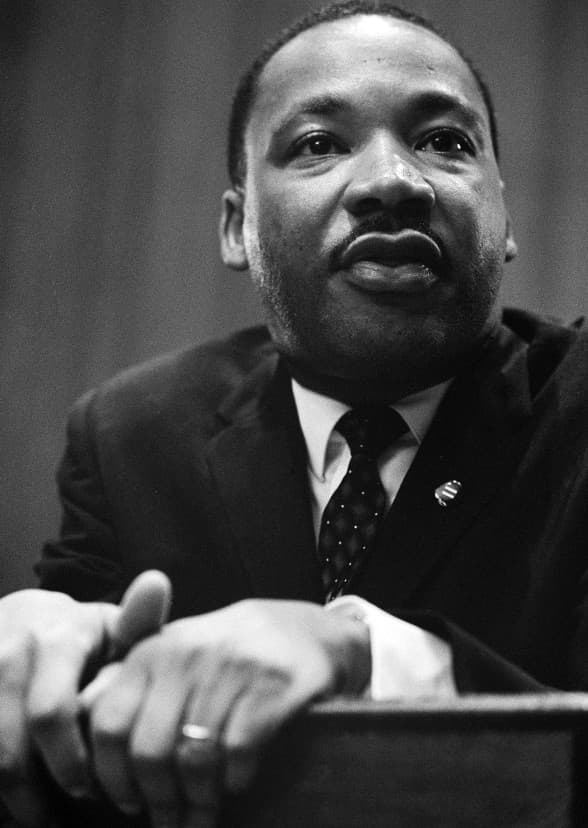
Martin Luther King Jr Biopic
The Story of the Most Famous Civil Rights Leader.

Keeping Up With the Kardashians Biopic
A Biopic Tv Miniseries about an American Realy show family "The Kardashians."
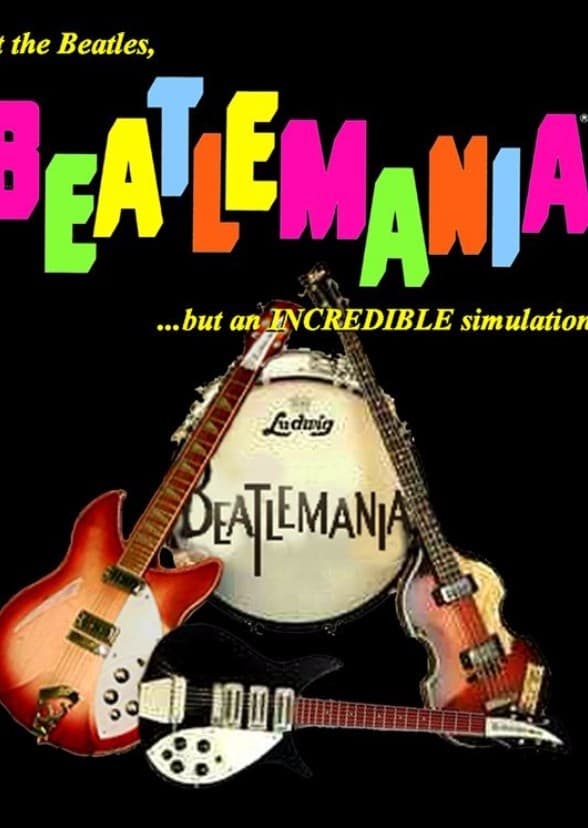
Beatlemania
A Biopic About The Beatles Broadway tribute show in the late 1970s called: BEATLEMANIA.

Madonna Biopic
A Biopic About the 80s Singer Madonna.

The Jackson 5 Biopic
A Biopic Miniseires about the 1970s R&B Group The Jackson 5. It Members were Jackie Jackson (Vocals), Tito Jackson (Vocals and Lead Guitar), Jermaine Jackson (Vocals and Bass Guitar), Marlon Jackson (Vocals), Randy Jackson (Vocals), and Michael Jackson (Lead Vocals). From their beginnings to their iconic Victory Tour in 1984.